 Webagentur lilac-media | Webdesign und Programmierung



You are here: Blog > From the brochure to the website: Why digital content behaves differently
Author: (with the help of ChatGPT) | Reading time approximately: 2 min | last modified: 03.06.2026
From the brochure to the website: Why digital content behaves differently
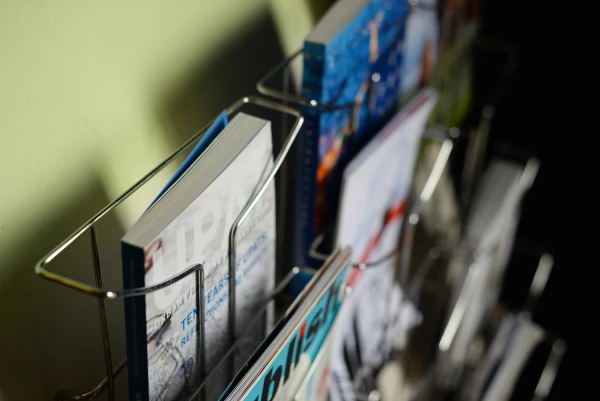
Websites are not finished products. They are systems that continue to evolve
Effort and challenges with printed image brochures
We were tasked with designing an image brochure for a client. The work took several months. Image materials, in particular, led to delays. Organizing custom photo shoots with employees was complex—both organizationally and in terms of content.
The whole process requires a lot of coordination because, in the end, everyone depicted needs to be satisfied with the result. After all, this image will be used for years to come. Additionally, printing is expensive. You need a certain print run to make production worthwhile, and the brochure is supposed to remain in use for a long time. Mistakes can't simply be corrected afterwards.
Since we mostly implement web projects and only rarely take on print orders, this process was rather unusual for us. In dynamic web projects, this problem arises much less frequently.
Why websites handle image material more flexibly
A photo session in winter with snow? Not great for a flyer—after all, it’ll also be seen in summer. On a website, this is much less critical. If the site goes live in winter, we use winter photos first. In summer, we can take new pictures and simply swap them out.
This is exactly why we don’t see websites as static products, but as dynamic, living processes. With proper planning, content can be adapted to new situations at any time.
We love seeing websites as dynamic, living processes that—with good planning—can be developed further in any desired direction
A good website isn’t built just once. It’s constructed—and then further developed.
Further content:
Erstveröffentlichung am 09.03.2026